
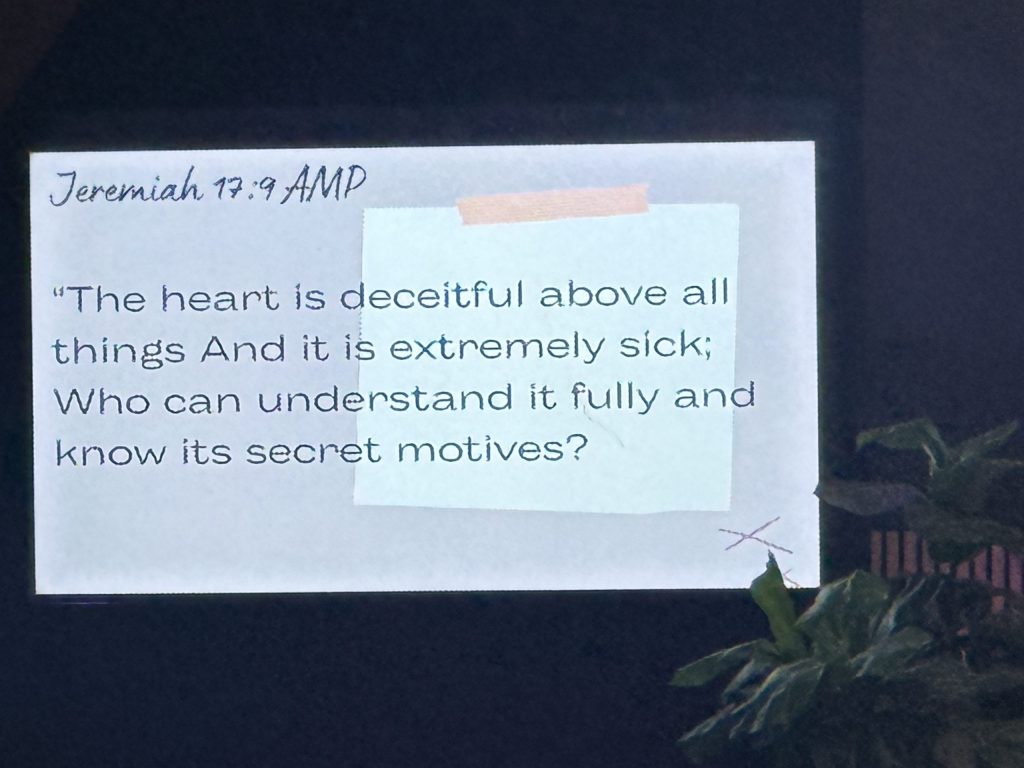
The heart is deceitful above all things And it is extremely sick; Who can understand it fully and know its […]
The heart is deceitful above all things And it is extremely sick; Who can understand it fully and know its […]
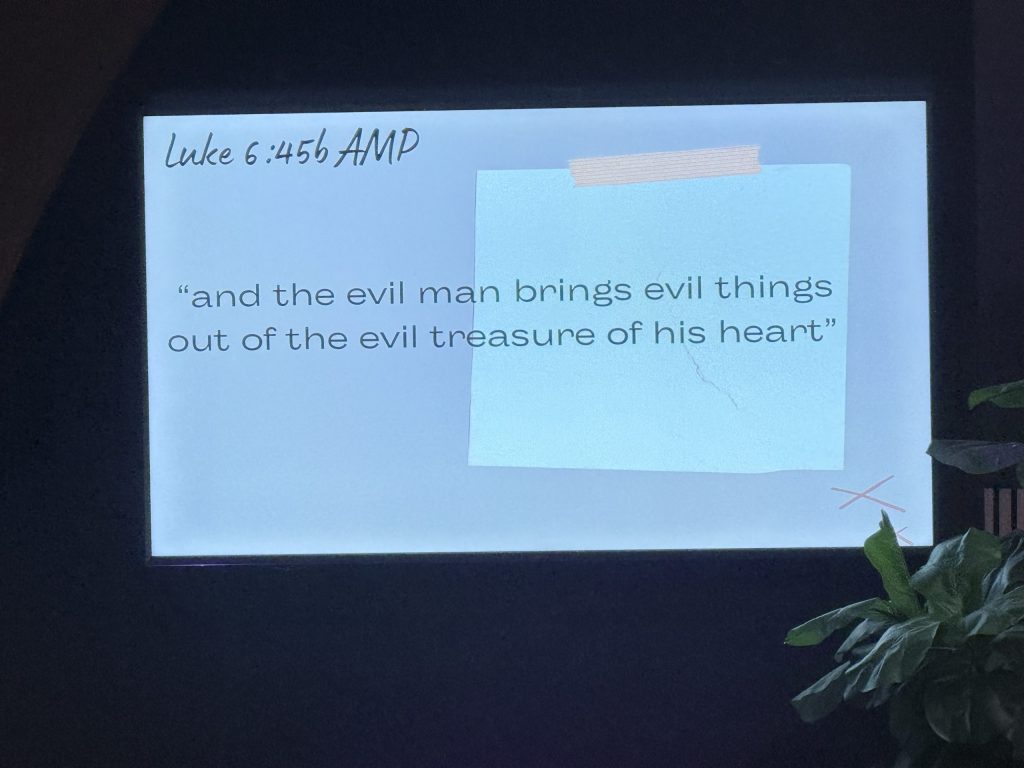
and the evil man brings evil things out of the evil treasure of his heart 恶人从他心里所存的恶,就发出恶来。 当我们看到一个人表现出恶意、刻薄或自私时,除了对其行为本身的评判,这段文字也提供了一个观察视角——那个人的内心其实正存放着一个“恶的宝库”(evil treasure)。这并非指他生来如此,而是他长期以来在心中堆积、滋养了这些负面的东西。 警惕内心的“仓储”:我们必须时刻审视,自己每天在心里积攒的是什么?是怨恨、嫉妒、计较,还是包容、宽恕、平和? 同理心的边界:当我们意识到恶行源于内心的“恶库”时,或许能生出一丝怜悯。因为那个不断发出恶念的人,其内心必然长期处于一种被阴霾笼罩、不得安宁的状态。
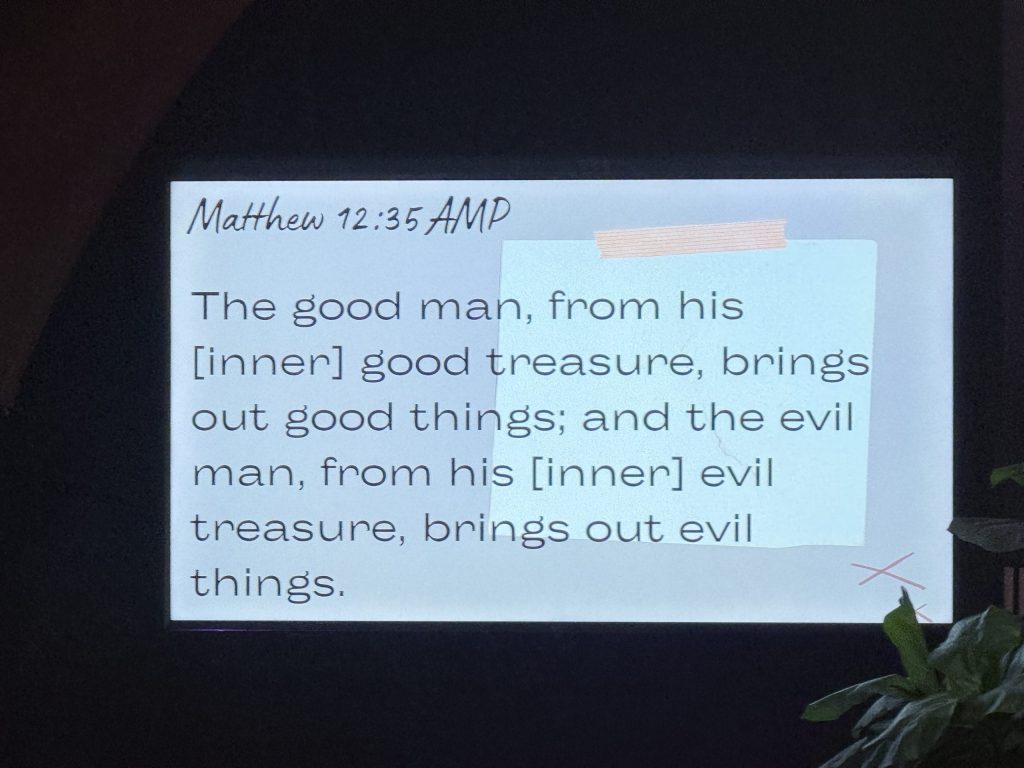
The good man, from his [inner] good treasure, brings out good things; and the evil man, from his [inner] evil
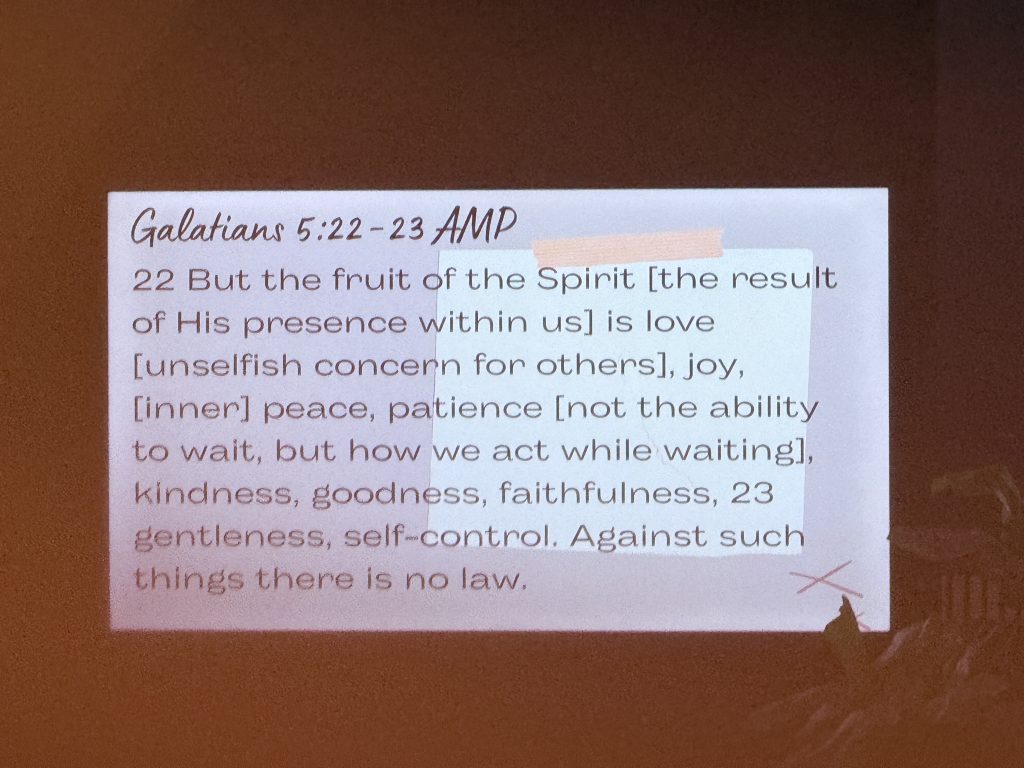
22 But the fruit of the Spirit [the result of His presence within us] is love [unselfish concern for others],
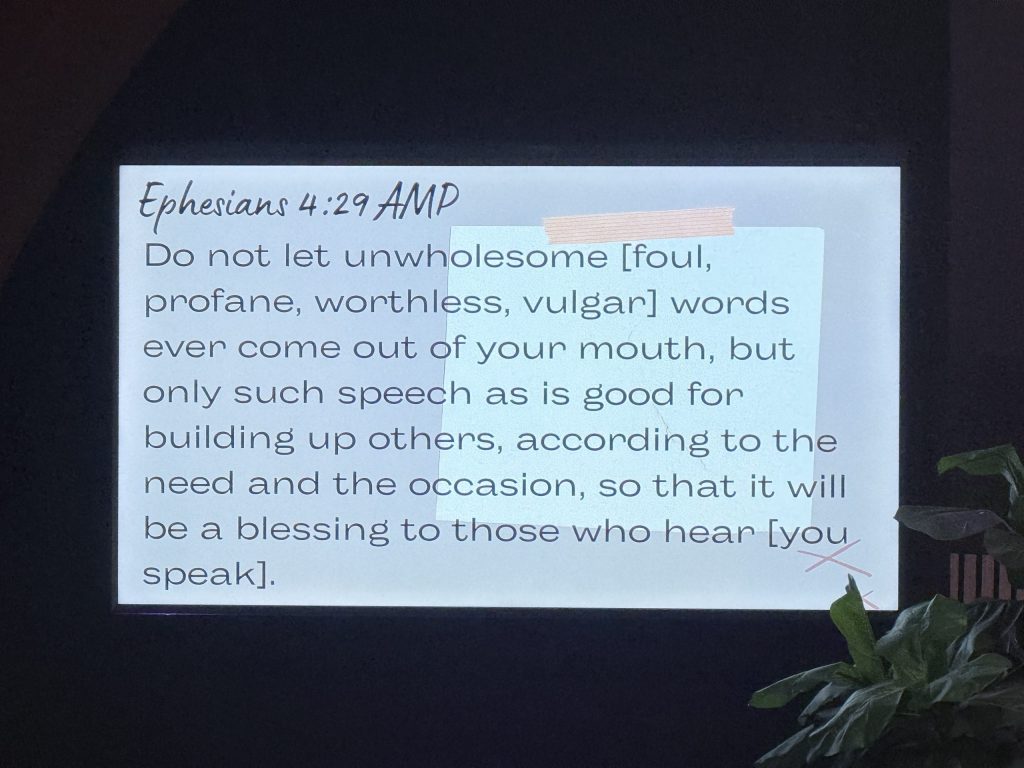
Do not let unwholesome [foul, profane, worthless, vulgar] words ever come out of your mouth, but only such speech as
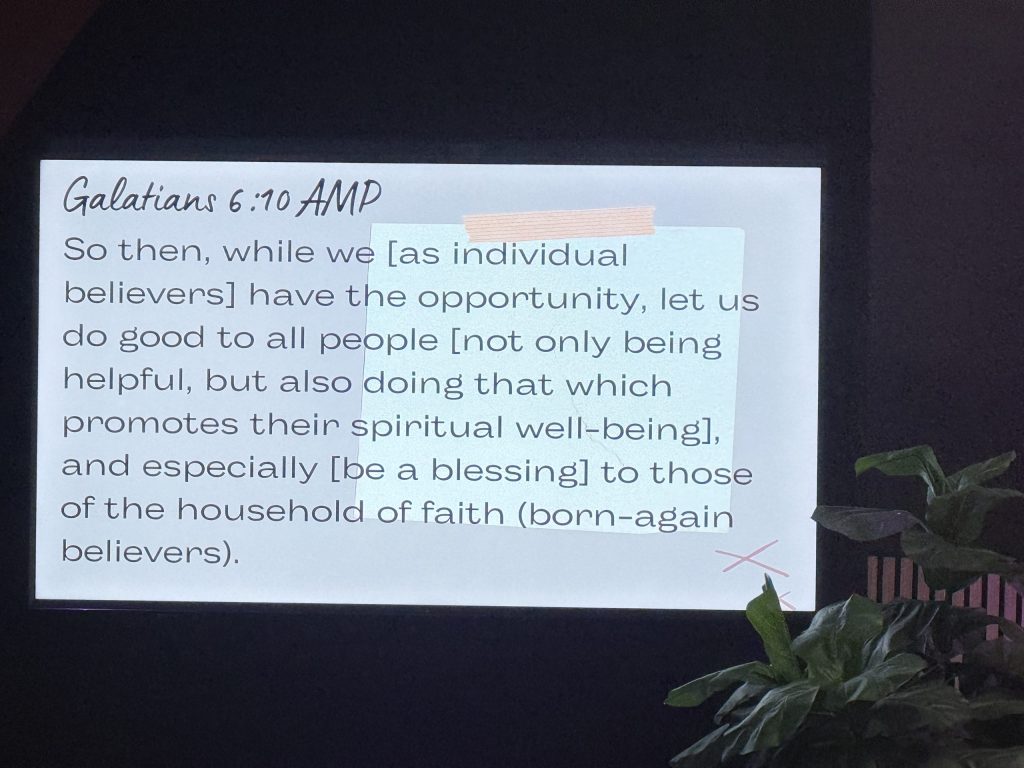
So then, while we [as individual believers] have the opportunity, let us do good to all people [not only being
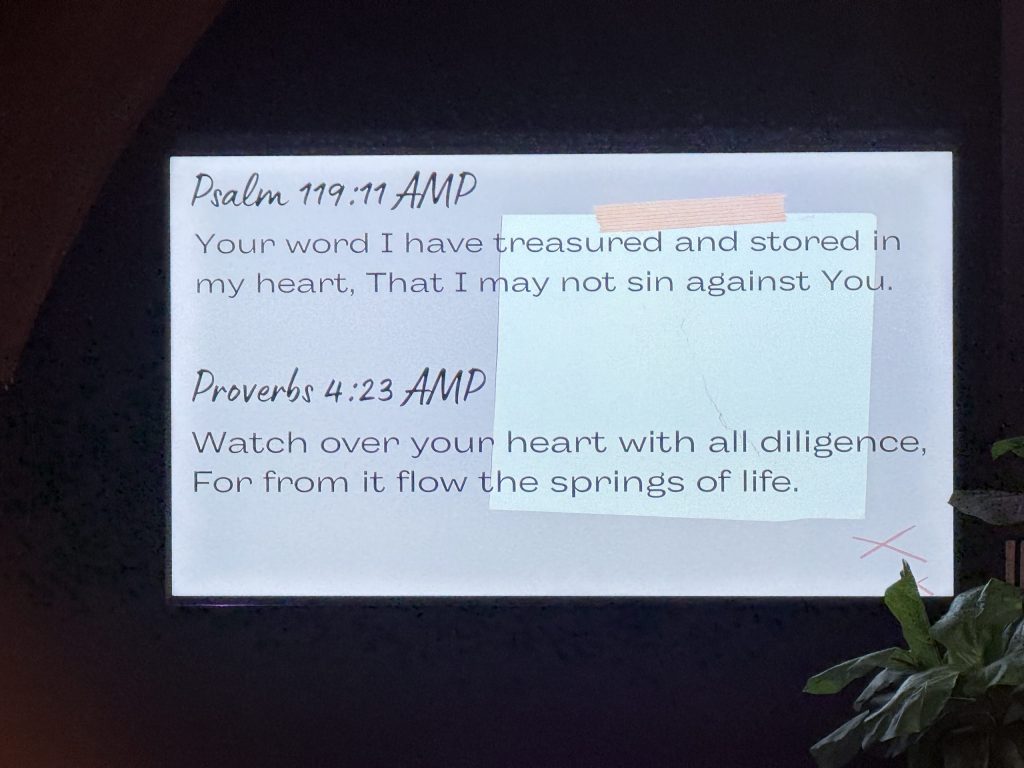
Psalm 119:11 AMP Your word I have treasured and stored in my heart, That I may not sin against You.
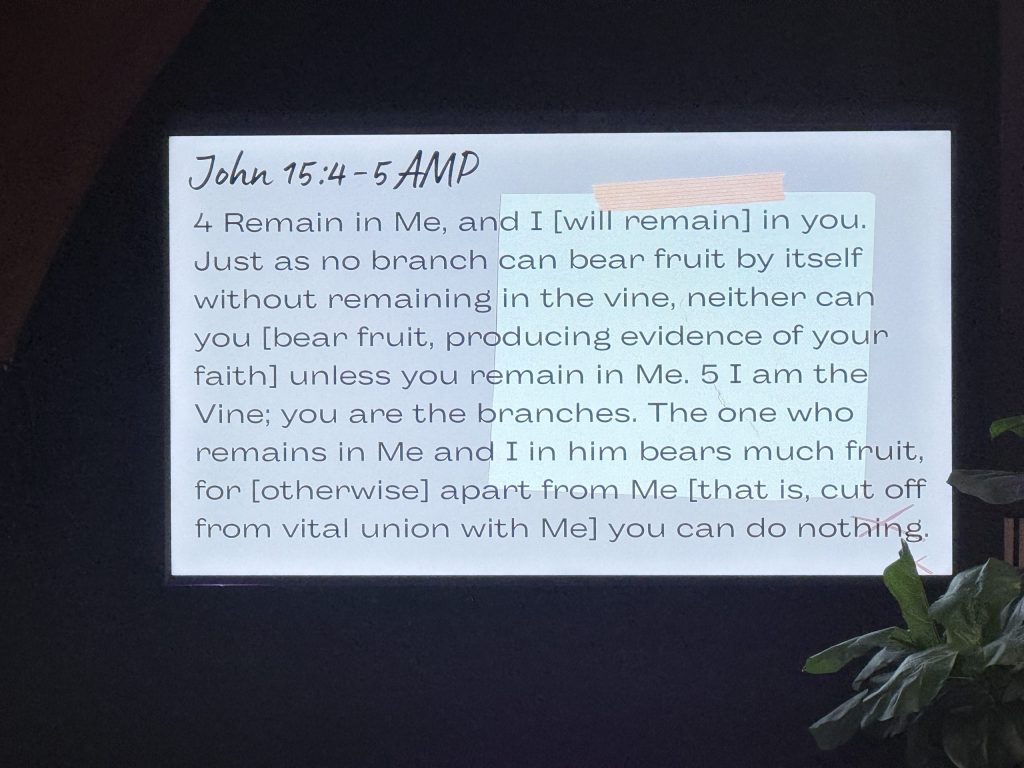
4 Remain in Me, and I [will remain] in you. Just as no branch can bear fruit by itself without