
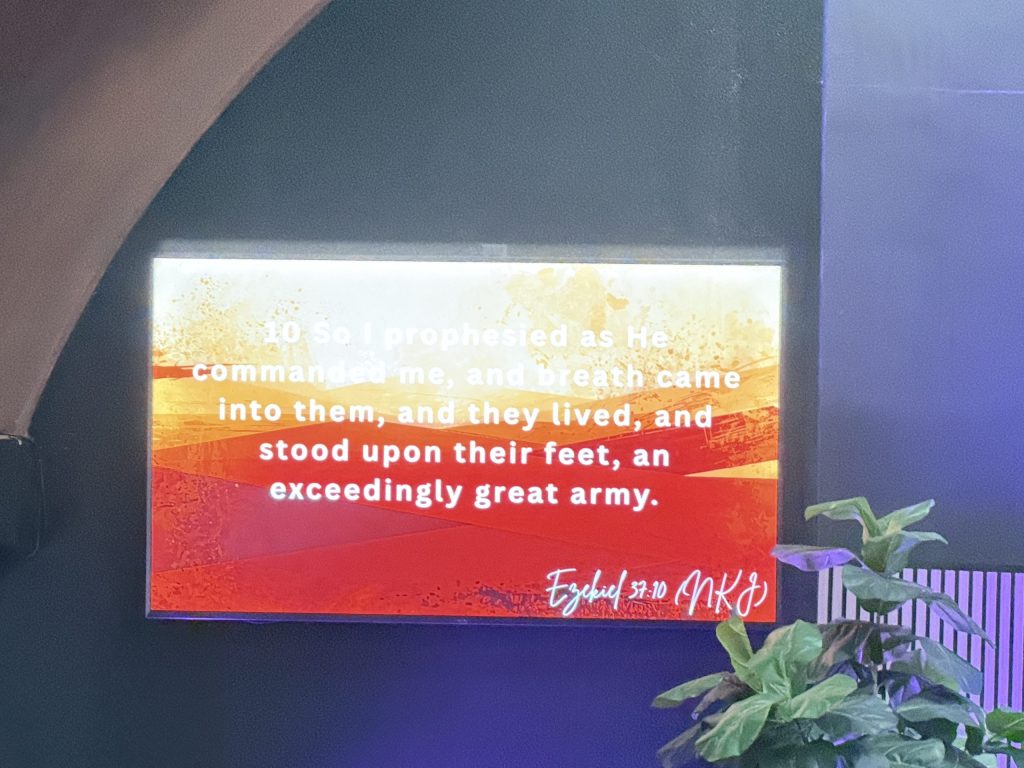
10 So I prophesied as He commanded me, and breath came into them, and they lived, and stood upon their […]
10 So I prophesied as He commanded me, and breath came into them, and they lived, and stood upon their […]
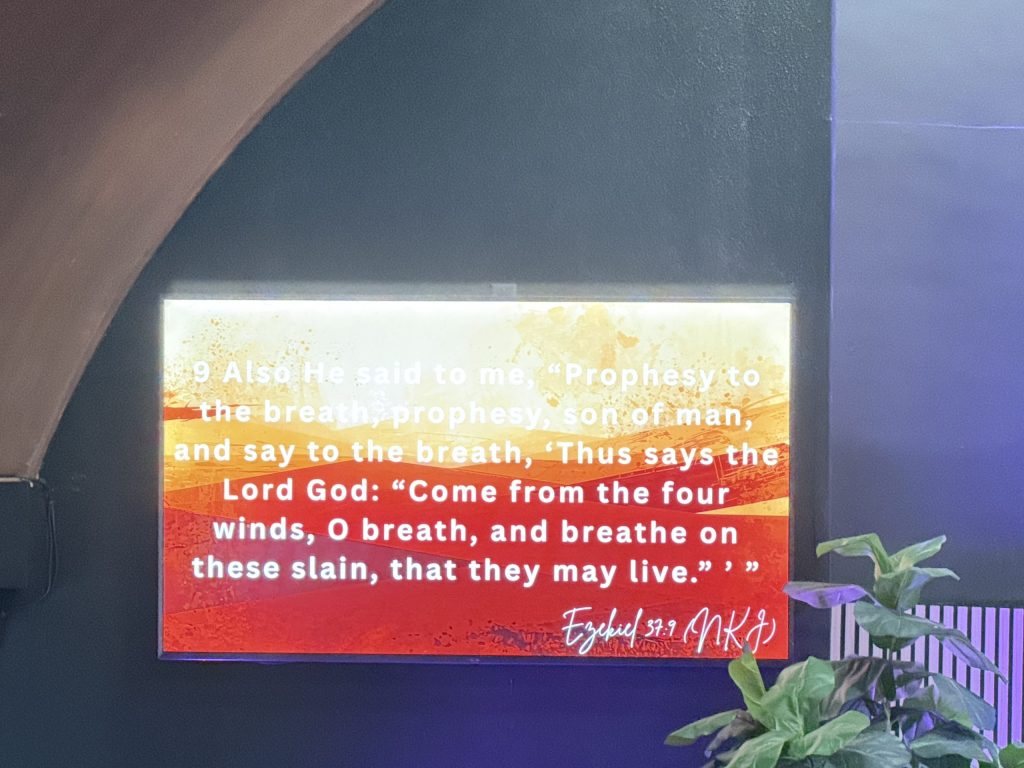
9 Also He said to me, ‘Prophesy to the breath, prophesy, son of man, and say to the breath, “Thus
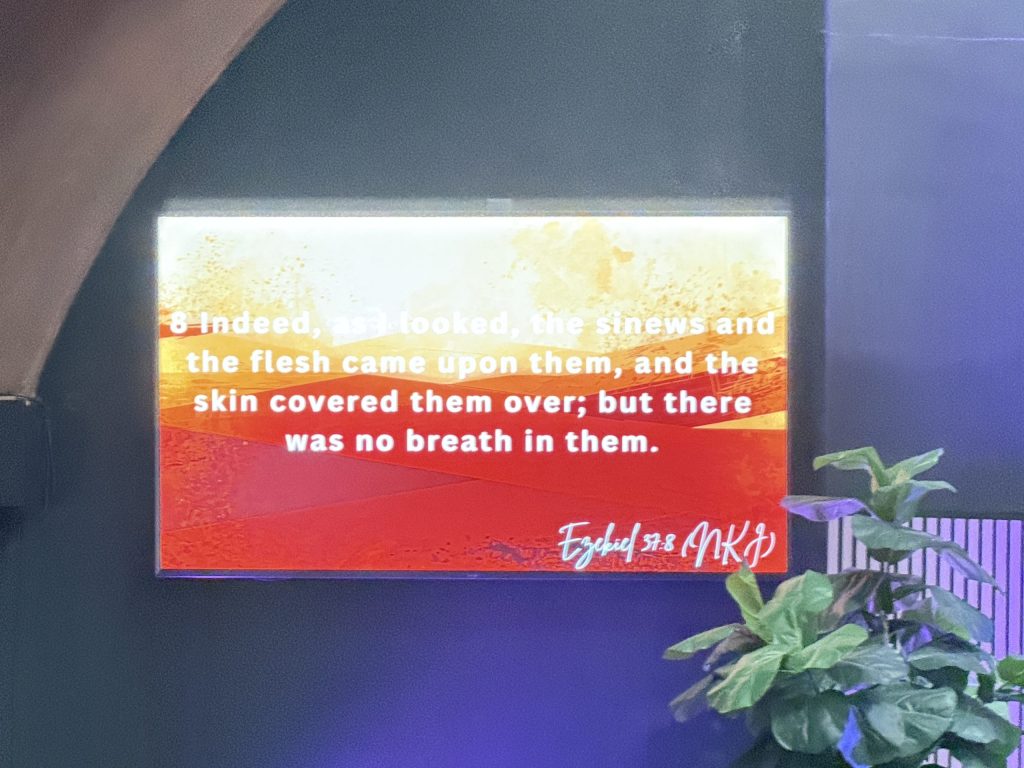
8 Indeed, as I looked, the sinews and the flesh came upon them, and the skin covered them over; but
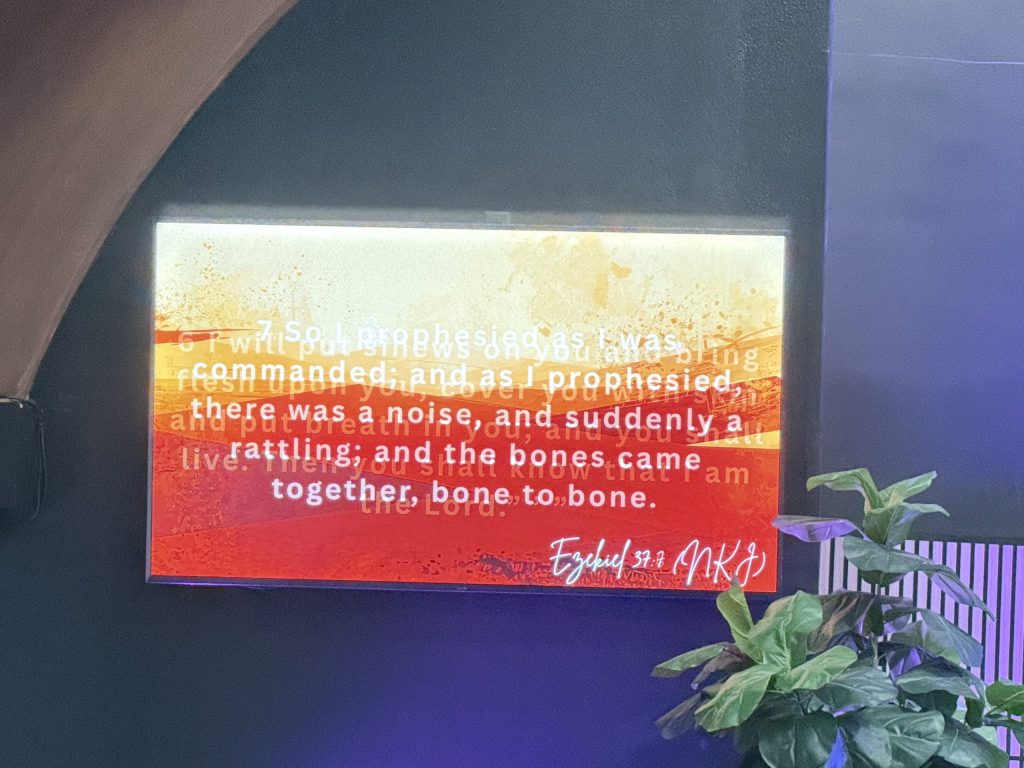
7 So I prophesied as I was commanded; and as I prophesied, there was a noise, and suddenly a rattling;
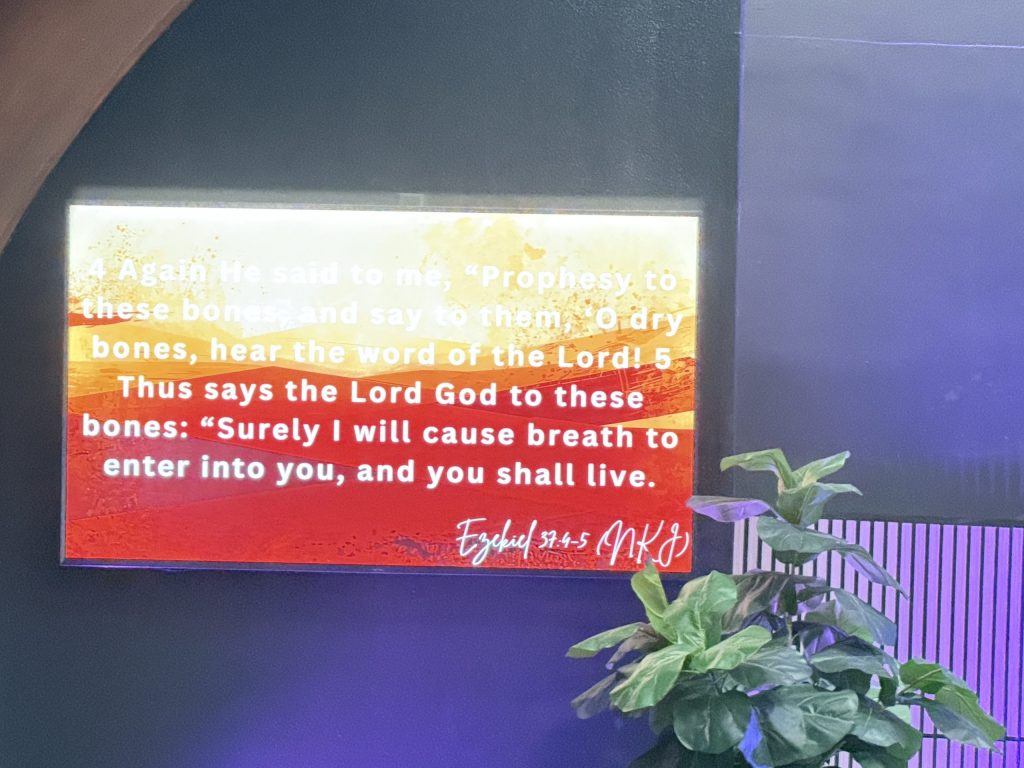
4 Again He said to me, ‘Prophesy to these bones, and say to them, “O dry bones, hear the word
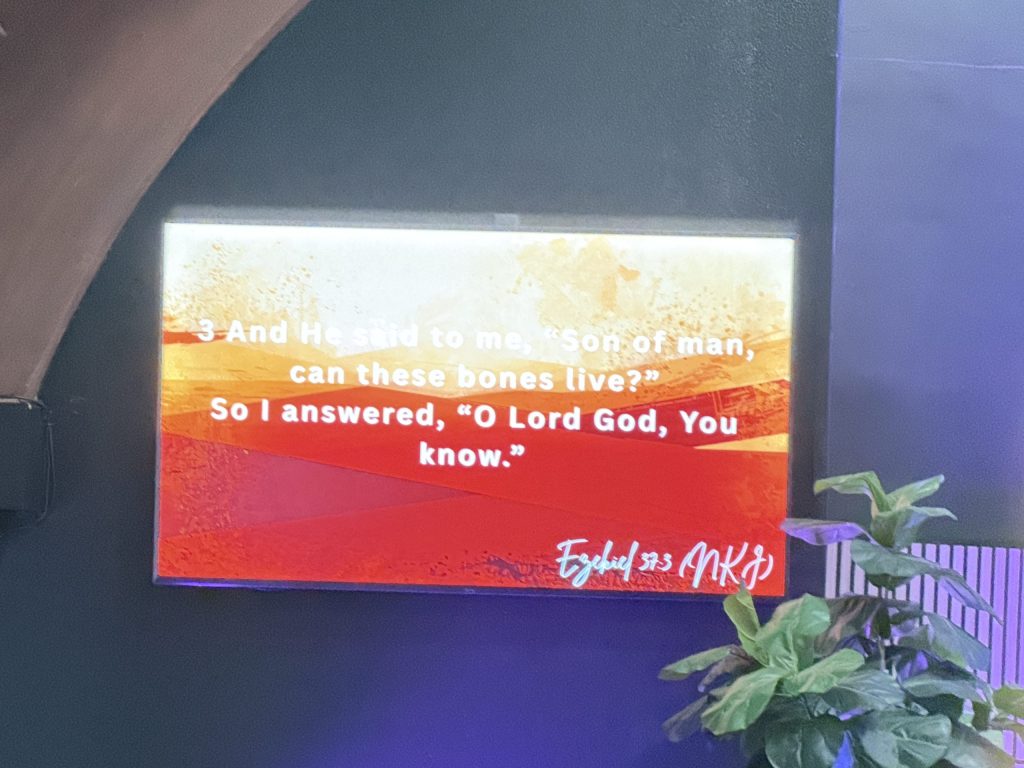
3 And He said to me, ‘Son of man, can these bones live?’ So I answered, ‘O Lord God, You
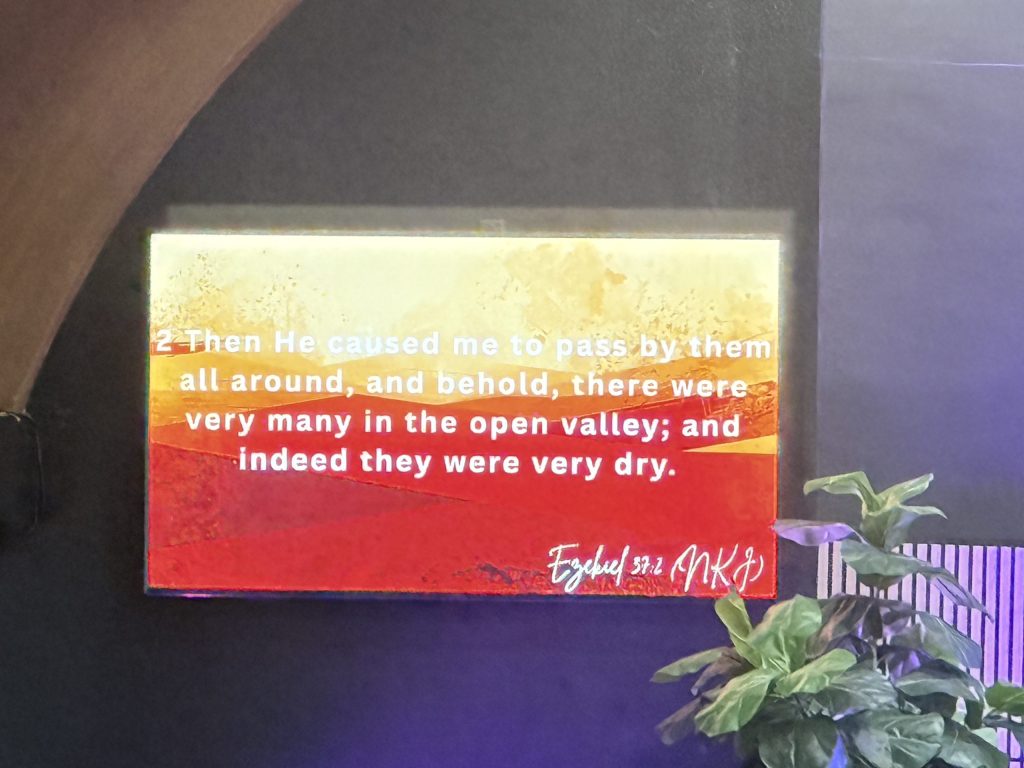
2 Then He caused me to pass by them all around, and behold, there were very many in the open
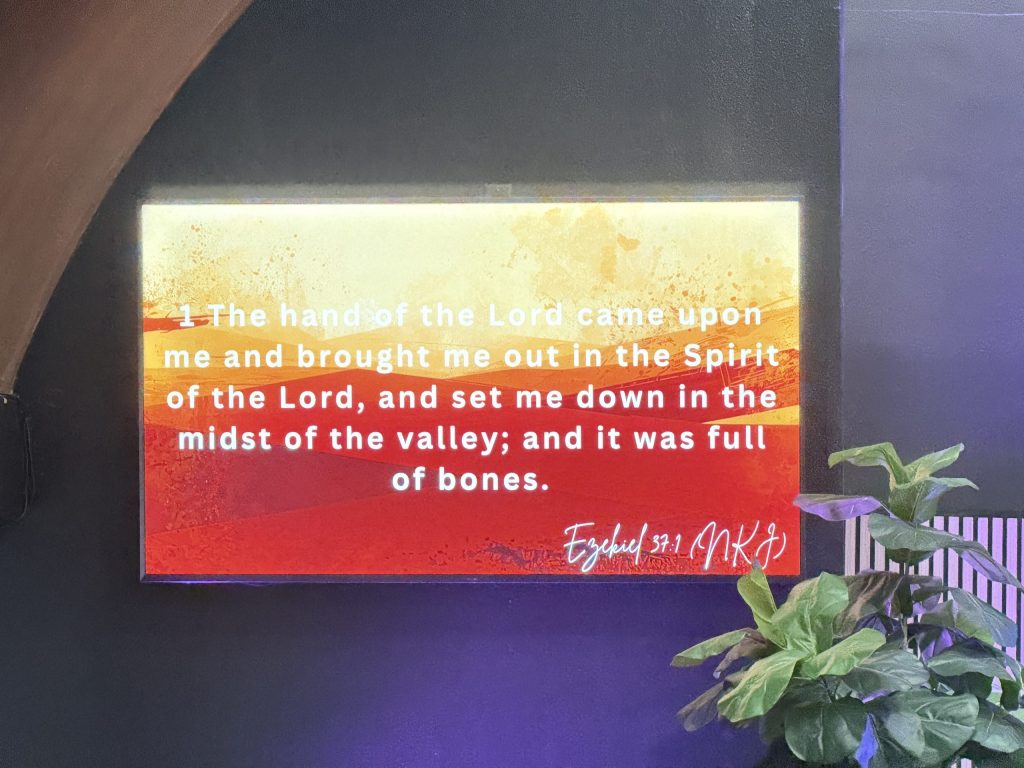
1 The hand of the Lord came upon me and brought me out in the Spirit of the Lord, and
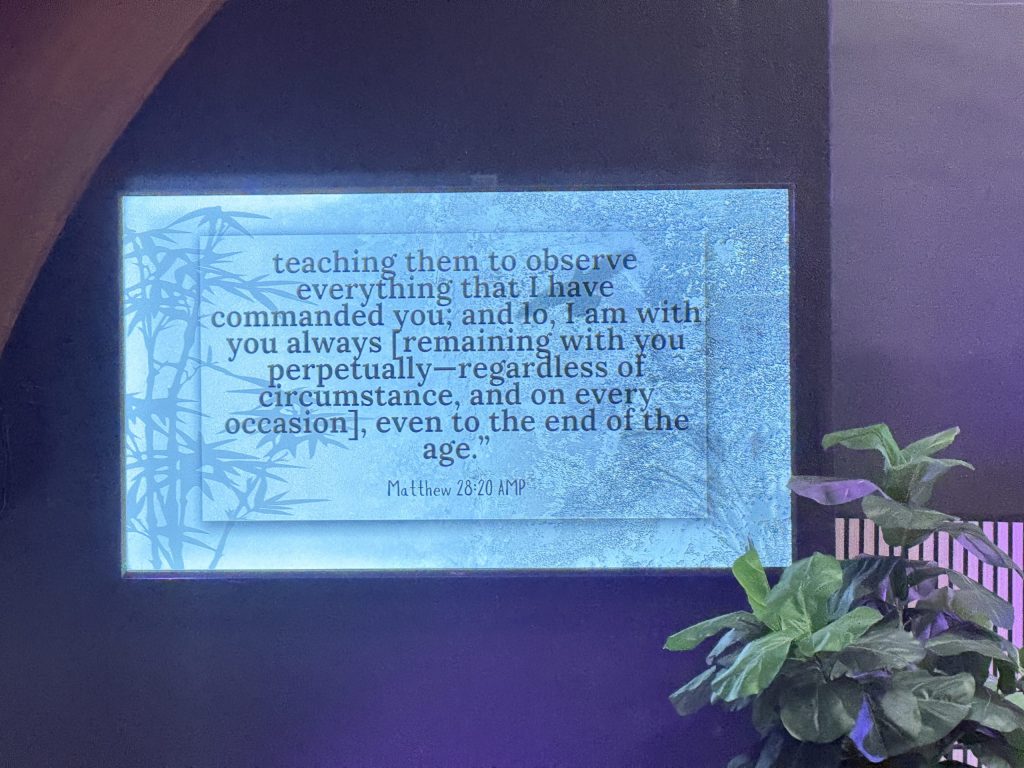
teaching them to observe everything that I have commanded you; and lo, I am with you always [remaining with you